Quick Summary
-
Choosing the right softball depends on the player's age, skill level, playing position and whether the ball is intended for training or competitive matches.
-
Softballs are available in different sizes, commonly including 11-inch and 12-inch options. The correct size depends on the competition rules and playing category.
-
Core material, cover material, stitching and compression affect a softball's feel, durability and performance during practice and matches.
-
Training softballs should suit the frequency and type of practice, while match balls must meet the specifications required by the relevant competition or league.
-
Before placing a softball online order in Malaysia, check the product specifications, quantity, delivery details and suitability for your team's needs.
Choosing the right softball can make a difference to training quality, player confidence and match preparation. However, with different sizes, materials and product specifications available, finding the right option can be confusing for beginners, schools and sports clubs. This guide explains how to choose a suitable softball for practice and competitive play, what to look for when comparing products, and how to check quality before buying. If you are planning a softball online order in Malaysia,understanding these factors can help you select a ball that suits your playing needs and budget.
Understand the Different Softball Sizes
Softball size is one of the first things to check before making a purchase. Common sizes include 11-inch and 12-inch softballs, although the appropriate size depends on the competition category and governing rules.
A 12-inch softball is commonly used in adult fastpitch and slowpitch formats, while an 11-inch ball is used in certain fastpitch categories, including many women's competitions. Youth competitions may have different requirements depending on the age group and rules.
Do not choose a ball based on size alone. Check your coach's instructions or the relevant league specifications to ensure the ball is suitable for the intended use.
Choose the Right Softball for Training or Matches
Softballs for practice and competitive matches may differ based on performance and usage requirements.During regular practice, players may need balls that can withstand repeated throwing, catching, batting and fielding drills.
For training, consider durability, grip and suitability for the drills being performed. Teams that practise frequently may benefit from ordering multiple balls so that sessions can continue without constant interruptions to retrieve equipment.
Match softballs require more careful selection. Their size, weight, compression and other specifications must meet the competition's requirements. Using an unsuitable ball may affect the playing experience or make it unacceptable for official matches.
Before ordering, confirm whether the ball is designed for practice, recreational use or competitive play.
Check the Core and Cover Materials
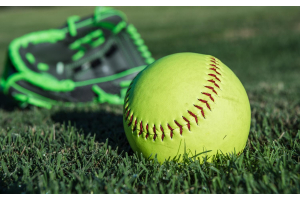
A softball's construction affects its feel, handling and durability. The core is typically made from materials such as cork or polyurethane, depending on the product. The outer cover may be made from leather or synthetic materials.
Leather-covered softballs are commonly used in competitive settings, depending on the required specifications. Synthetic covers may be suitable for certain recreational or training applications, but performance and durability vary between products.
Stitching is another factor worth checking. Well-finished seams can support consistent handling and grip, while poor construction may lead to premature wear.
Always review the manufacturer's product details instead of assuming that all softballs with similar appearances offer the same performance.
Consider Your Playing Level and Training Needs
Beginners, school teams, recreational players and experienced competitors may have different equipment requirements.
Beginners should focus on selecting a ball that matches their training programme and the recommendations of their coach. Schools and clubs may need to balance product quality with the number of balls required for regular sessions.
Experienced players should pay closer attention to competition specifications, compression ratings and any approval requirements. These details can be particularly important when preparing for organised tournaments.
For teams, it may also be useful to purchase a consistent batch of balls with matching specifications. This helps maintain consistency during drills and makes equipment management easier.
What to Check Before Placing a Softball Online Order
Before completing a softball online order in Malaysia, read the product description carefully. Confirm the ball size, weight, cover material, intended use and any relevant certification or approval details.
Check the quantity included in the price, as some listings may refer to a single ball while others offer multi-ball packs. Product photographs alone may not provide enough information to determine whether the ball meets your needs.
Delivery arrangements also matter, especially when ordering for a school, club or upcoming tournament. Review the estimated delivery time, shipping charges, return policy and availability before confirming the purchase.
If the specifications are unclear, contact the seller and ask for clarification. This can help prevent ordering the wrong ball or receiving equipment that does not meet your requirements.
How to Maintain Softballs for Longer Use
Proper care can help extend the usable life of your softball. Store balls in a dry, well-ventilated area and avoid leaving them exposed to excessive moisture or direct sunlight for long periods.
After outdoor training, remove dirt and surface moisture using a suitable cloth. Inspect the cover and stitching regularly for cuts, loose seams or other damage.
Softballs that become damaged, misshapen or unsuitable for competition should be removed from match use. Follow the manufacturer's storage and care recommendations, particularly for balls with specific material or compression requirements.
Choosing the right softball involves more than comparing prices. Size, construction, intended use, playing level and competition requirements all influence which ball is suitable for your needs. By checking product specifications and planning your order carefully, you can make a more informed purchase for training, recreational games or organised matches in Malaysia.
Whether you are buying for yourself, a school or a sports club, take time to compare the available options before ordering. For help selecting suitable softball products or clarifying product specifications, visit our Contact Us page and speak with our team before placing your order.
Frequently Asked Questions
1. What size softball should I buy?
The right size depends on your age group, playing format and competition rules. Common options include 11-inch and 12-inch softballs, so check the relevant specifications before buying.
2. What is the difference between a training softball and a match softball?
Training softballs are selected for regular practice and drills, while match softballs must meet the size, weight and other requirements of the relevant competition.
3. Which material is best for a softball?
Leather and synthetic covers are both available. The best choice depends on the intended use, durability requirements, playing conditions and competition specifications.
4. Can beginners use a standard softball?
Beginners can use a standard softball if it is appropriate for their age, skill level and training programme. Coaches can recommend a suitable size and type.
5. How do I check softball quality before ordering online?
Review the product specifications, core and cover materials, stitching, size, weight and manufacturer information. Ask the seller for additional details if anything is unclear.